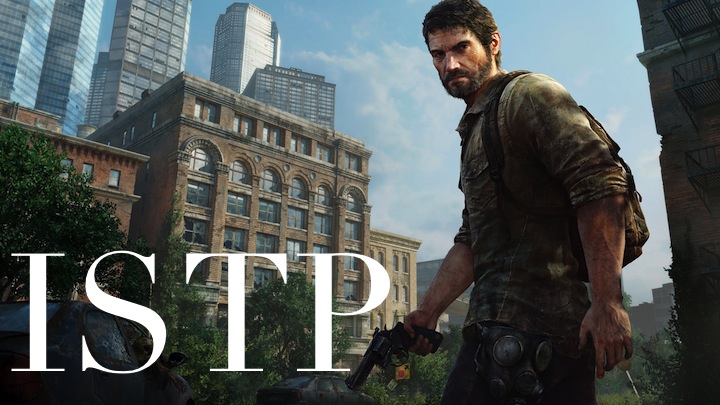
Joel – The Last of Us: ISTP

Guest Post by Matt, INTJ

The Last of Us

Joel ISTP | The Last of Us #MBTI #ISTP

Dominant Ti: Joel understands mechanical and logically subjective systems particularly well; his ability to consistently problem-solve in a world without typical constraints like order and social standing ultimately insure his continued survival. He maintains a survivor’s mindset both before and after Sarah’s death, unlike everyone else around him. Ironically enough, his default, unique worldview adapts quickly to the world after the outbreak since it doesn’t really need to do any adapting at all. Joel always finds a way to survive, finding ways to overcome difficulties of both the financial and fungal kind. Another tip-off: Joel rarely ever voices his thought process and doesn’t order his companions around much. He never comes across as domineering or controlling, unlike most extraverted thinkers. Continue reading

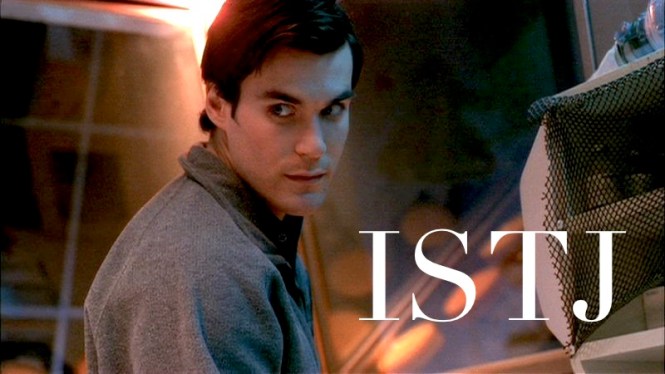
Dr. Simon Tam: ISTJ

Firefly/Serenity

Simon Tam ISTJ | Firefly #MBTI #ISTJ

Dominant Introverted Sensing (Si): When Simon comes up with a plan, it is meticulous down to the tiniest detail. He likes to gather up the facts of a situation to allow him to more accurately assess what decisions he needs to make. More than anything, Simon trusts to experience. He relies on past memories to give him all the information he needs to come up with the Ariel job Continue reading

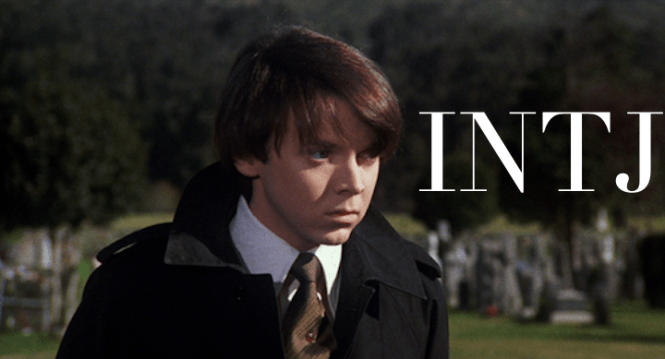
Harold Chasen – Harold and Maude: INTJ

Harold and Maude

Harold Chasen INTJ | Harold and Maude #MBTI #INTJ

Ni: No matter who it is that’s trying, nobody can convince Harold to take the course of conventional lifestyle, and if they try to force it on him, he acts to prevent it. Harold likes to play games with people, testing their gullibility and sense of humour with his suicides. He is obsessive about the world of death, suicide and funerals and spends his free time exploring that world. Continue reading

Atticus Finch: INTJ

Atticus Finch INTJ | To Kill a Mockingbird #MBTI #INTJ

Introverted Intuition (Ni): Atticus has great foresight when it comes to both the consequences of his actions and of other people’s. He predicts danger to Mr. Robinson and heads to the prison to prevent it. He’s aware of the trial’s eventual outcome long before it presents itself, but goes through with it regardless because of his idealism. Atticus’s long-term vision extends well beyond his own lifetime and into a future in which America is a land of equality, and he proceeds to live the ideals of that future rather than fitting into present moral guidelines. Continue reading

Viola – Twelfth Night: ESTP

Twelfth Night, William Shakespeare

Viola ESTP | Twelfth Night #MBTI #ESTP

Se: Viola uses disguise as a way to avoid dealing with her problems emotionally (the fact that her brother is supposedly dead). Rather, her approach is proactive, an attempt to keep busy rather than introspecting. She’s not afraid of being thrown into a crazy situation, be it pretending to woo another woman or jumping into a sword fight and totally beating the crap out of the guy she’s fighting. She’s really good at acting and judges other people’s thoughts based on what she sees in their expressions. Continue reading

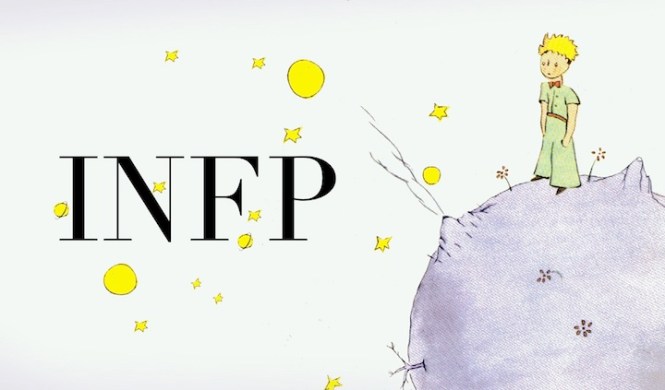
The Little Prince: INFP

The Little Prince INFP | #MBTI #INFP

Introverted Feeling (Fi): The little prince is kind to everyone, the flower, the narrator, the fox and even the conceited man he meets on his journey. The little prince’s emotions are deep and often overwhelming, yet he doesn’t enjoy talking about himself or his feelings. Unlike many, he is independent and doesn’t always feel the need to obey authority. He reacts strongly to anything that he cares deeply about because he’s so emotionally invested. Continue reading

Toshiko Sato: INTJ

Torchwood

Toshiko Sato INTJ | Torchwood #MBTI #INTJ

Introverted Intuition (Ni): Toshiko is a master at recognising mathematical and behavioural patterns that allow her to figure out how present events will implicate future happenings. Tosh’s plans are intricate, leaving no detail amiss, and they usually work out exactly how she expects. Furthermore, she plans years in advance (consider her goodbye video log following her death). Continue reading

MBTI and Relationship Compatability

Key Lime Pi asked: Are there certain combinations of types which make for better friendships or romantic relationships? Could a person develop him/herself in new ways by befriending someone of a drastically different type?

No and yes. This is my personal take on this question.

I believe that if two people of any type are mature and well-rounded, they can and will get along well in relationship regardless of how different they are. When it comes to immature people, there will always be problems in a relationship no matter how similar the two people’s types are.

(Because of this belief, I won’t be answering type-specific-ideal-relationship questions. For example: how compatible are ISFPs and ENFJs in a relationship? I’ll leave that to the tumblr idiots).

As to your second question, everyone you associate with has an effect on you. The more mature you are, the less affected you are by negative influences of people around you. If you’re less mature, you’re going to be more affected. Need an example?

Last year I lived with a semi-mature ENTP, mature INFJ, and an immature ESFJ and witnessed the following.

The semi-mature ENTP made quick friends the immature ESFJ and quickly deteriorated in maturity. The ENTP started going to the ESFJ with moral questions, and because the ESFJ didn’t care about morals, would tell the ENTP to do whatever the ESFJ was doing. They both became remarkably like the other. The ENTP became more wild, dated merely for the sexual pleasure, stopped caring about grades (previously a straight A student) etc.

The ESFJ, by association with me (INTJ), started to pick up my dark sense of humour even though at the start, he was quite disturbed by it.

Meanwhile, they left no affect on me. I simply watched as they influenced each other, occasionally pointing it out to them as amusing situations presented themselves.

Because both I and the INFJ were relatively more mature, we had selective influences on each other, but were not affected by the ENTP or ESFJ. The INFJ reminded me to be kind, and I reminded the INFJ not to take feelings so seriously.

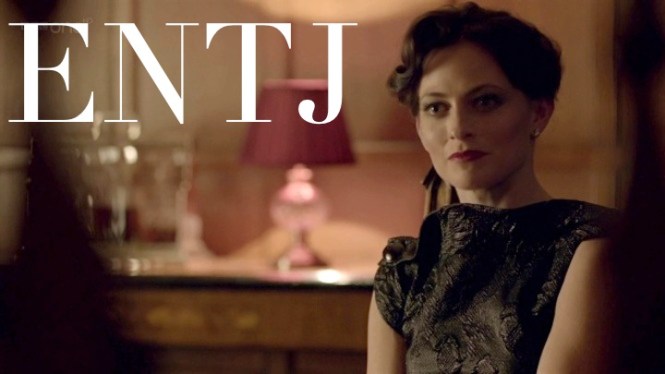
Irene Addler: ENTJ

Sherlock

Irene Addler ENTJ | Sherlock #MBTI #ENTJ

Te: Irene Adler only cares about information insofar as she can use it (“No, but I know what he likes”). She likes to be in control of her life and takes initiative in asserting her dominance over people and situations, be it by removing her clothes and hiding needed information from people or by merely speaking assertively to them. She seeks validation to assure her that she’s in control of Sherlock (too bad for her she’s wrong). She talks through her thoughts out loud in order to organize and understand them and states her opinions directly without sugarcoating anything. Continue reading

How to Get Along with your INTJ Sibling

Ada asked: So here’s the thing: i am an ENTP and i have a sister who is, (as far as i can tell), a textbook INTJ. To say that we don’t get along is a big understatement- do you have any tips for getting along with an INTJ sibling?

First, I’ll suggest taking a look at the Understanding Your INTJ Friend page. I’ve probably updated it since you initially asked this question.

As an ENTP, you have all opposite functions to an INTJ, which will naturally make it difficult for you to understand them. However, I have an INTP family member with whom I actually have a fantastic relationship, so it is possible for opposite types to get along.

The best advice I can give you comes from a principle Continue reading

Peter Parker: ISTP

The Amazing Spiderman

Peter Parker ISTP | Amazing Spiderman #MBTI #ISTP

Ti: Peter is good at figuring out how things work and though he can identify how to fix things around the house when they get broken, he doesn’t necessarily take action to do so. He doesn’t express his thoughts outwardly unless asked to do so and then he doesn’t always find the right words to say exactly what he means. Continue reading