

Subscribe to continue reading
Become a paid subscriber to get access to the rest of this post and other exclusive content.
Become a paid subscriber to get access to the rest of this post and other exclusive content.
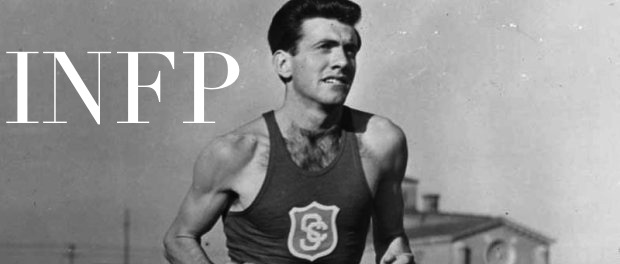
Fi: As a teenager, Zamperini isolated himself from his classmates and put up a tough front to hide the misery he felt inside. Running gave him a way to deal with his feelings and helped him to develop principles that came to define the rest of his legacy. He was always a bit rebellious and liked to define his own morality, rather than relying on Continue reading
Become a paid subscriber to get access to the rest of this post and other exclusive content.
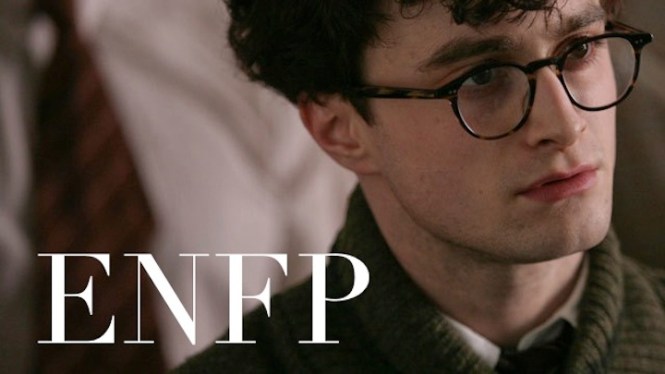
Extraverted Intuition (Ne): Ginsberg was all about taking ordinary situations and making them new. Because he was full of ideas, he wrote prolifically, cranking out a large quantity of very long poems in short amounts of time. Even up to the last decade of his life, Ginsberg was putting out quick, vast amounts of poetry. Ginsberg was an open-minded, energetic individual who embraced tolerance and genuinely inspired others to do likewise, not only through his poetry, but through his energetic involvement in counter-cultures. In fact, Ginsberg is attributed to have coined the infamous “flower power” phrase of the 1960s Vietnam era as he encouraged war protestors to engage in peaceful rejection of violence. Continue reading
Become a paid subscriber to get access to the rest of this post and other exclusive content.
Guest post by E.J., INTJ
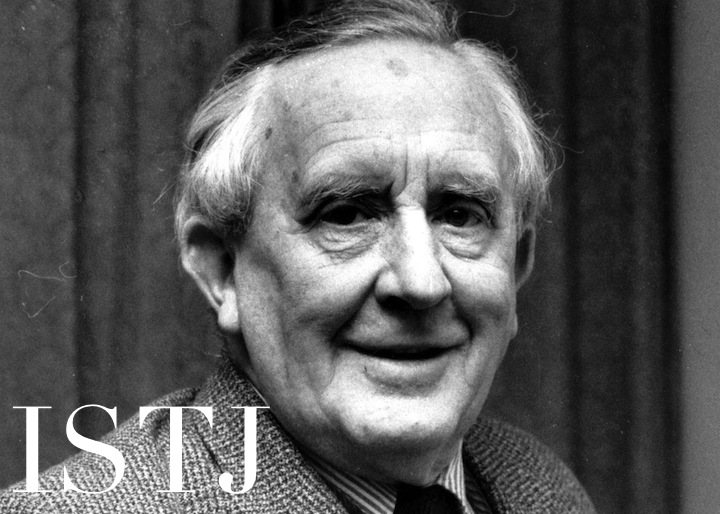
Introverted Sensing (Si): Tolkien’s mother died when he was eight years old, and his memory of her motivated him throughout his adult life. Since her family had abandoned her after her conversion to Catholicism, and her health had subsequently deteriorated, Tolkien considered her a martyr. Her memory was part of the reason why Tolkien became such a staunch Catholic. Continue reading
Guest post by E. J., INTJ

Dominant Ni: C. S. Lewis had a relatively narrow set of interests, primarily focusing on academic topics and especially medieval and Renaissance literature. A high school tutor told Lewis’s father that Lewis could become a scholar, but little else. Symbolism was important to Lewis: his favorite genres of literature (epic poetry, fantasy, and science fiction) were filled with it. He infused a great deal of very blunt symbolism (NiTe) into his own fictional works, especially the Chronicles of Narnia. Many of his other works are philosophical in nature, and C.S. Lewis was fond of discussing ideas with the Mastermind group that he engineered as a college student (the organisation part of this would be Te). Continue reading
Become a paid subscriber to get access to the rest of this post and other exclusive content.

Extraverted Intuition (Ne): Amanda Palmer doesn’t like to exclude possibilities when she gives explanations and she tends to be accepting of most every type of art she comes across. She sees potential in most everyone and doesn’t believe in tearing other people down with hate or words. She places strong value on maintaining a positive attitude and enjoying the art she creates. She believes Continue reading
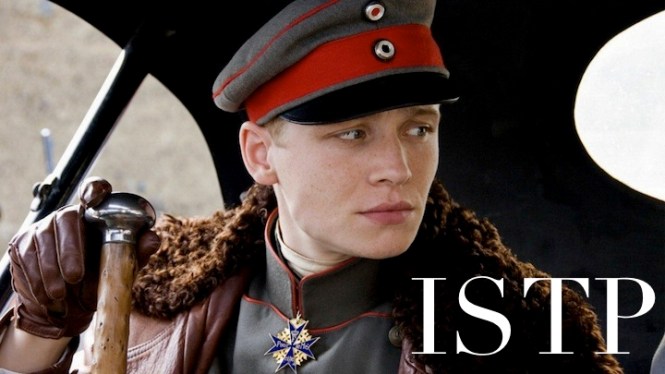
Ti: It wasn’t uncommon for the Baron to ask the uncomfortable questions or assert odd opinions, but most of the time he didn’t really share his thought process with others. He was a man of few words and didn’t particularly enjoy social parties. Continue reading

Ni: Stauffenberg had a very specific end in mind when he set out as a conspirer against Adolf Hitler. He understood that up until he joined, most of the other conspirers didn’t intend to go quite far enough to achieve that end. Thus, he refused to participate until they were willing to follow his game plan. He’s the one who suggested all the out-of-the-box solutions that everyone else was afraid to even think about. Stauffenberg had no trouble keeping a secret, and was better Continue reading
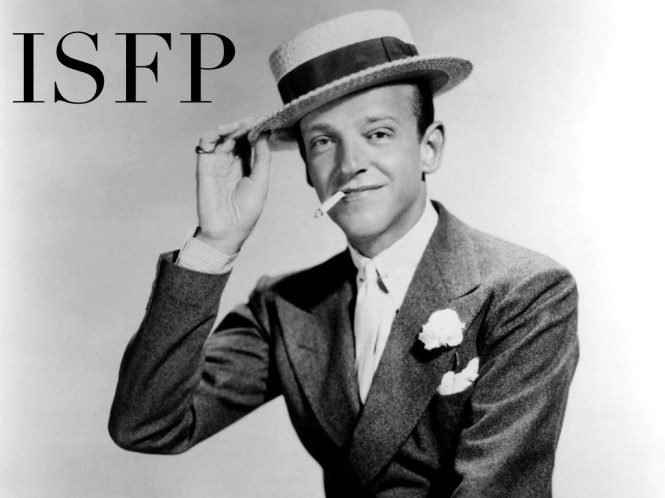
Fi: Fred was a romantic who loved to partner dance. Once his sister got married, he was free to choreograph romantic dances. At the same time, he was reluctant to embrace the romantic approach because he didn’t like to scream his feelings to the world. Fred was a resolved individual, dedicated to his craft like no other. Constantly being told at Continue reading

Ni: Stephen Hawking is a problem solver who’s goal is “complete understanding of the universe.” He also likes to describe himself as “master of the universe.” Many of his arguments contain intuitive leaps that are only followable because he provides the Te evidence necessary to prove them (I say prove…nothing can really be proved. All you can do is disprove). Hawking is good at visualizing the universe –it’s been said his brain is like a giant virtual map. Continue reading

Introverted Feeling (Fi): John Green usually doesn’t make his feelings public (though his ideas are very public). He’s good at writing deep, highly emotional characters who ask harsh questions about morality and the nature of human existence. His writing is always highly emotion driven and leaves most F-type readers sobbing when they The Fault in Our Stars, or Looking for Alaska. John Green has a strong desire to help other people and certainly does so through his writing and vlogging. Continue reading
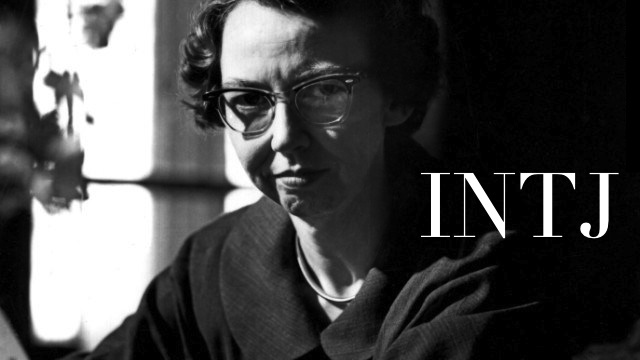
Ni: Flannery O’Connor was incredibly focused. All of her stories basically have the same message and focus on the exact same topic: redemption. But her interest in religion was not simply a focus –it was an obsession. Her stories accentuate a deep understanding of human nature. Continue reading
 The Book Addict's Guide to MBTI: