

Subscribe to continue reading
Become a paid subscriber to get access to the rest of this post and other exclusive content.
Become a paid subscriber to get access to the rest of this post and other exclusive content.
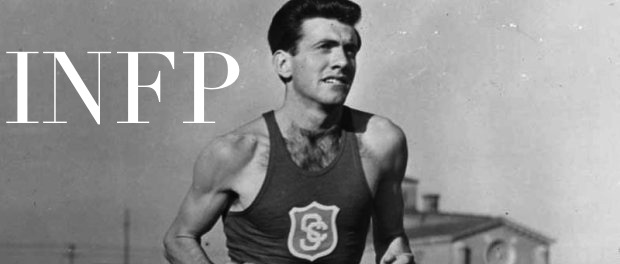
Fi: As a teenager, Zamperini isolated himself from his classmates and put up a tough front to hide the misery he felt inside. Running gave him a way to deal with his feelings and helped him to develop principles that came to define the rest of his legacy. He was always a bit rebellious and liked to define his own morality, rather than relying on Continue reading
Guest post by Andrew, ENTJ
Extroverted Thinking (Te): Darry is a consummate leader. Having stepped in as the legal guardian to his two younger brothers, he easily lays down and enforces ground rules. Although the greasers have no “leader,” official or not, it is Darry who takes up the mantle most often, as he remains cool and logical even when fists are flying all around him. He desperately wants Ponyboy to succeed in life, and puts a great deal of pressure on him to stay out of trouble and keep his grades up. Having eschewed the more mainstream road to gain status (a college education), he instead engages in fighting, an activity at which he excels, and which guarantees him social standing among the greasers.
Introverted Intuition (Ni): Darry has a singular focus: he wants Ponyboy to go to college and escape poverty. All of the rules he sets for Ponyboy are there to prevent him from either getting poor grades or being put in a home for orphaned boys: the two things that could most easily derail his plan. Darry carefully makes life decisions based on the long-term consequences of his actions; alone of the greasers, he abstains from smoking cigarettes so as to avoid any adverse health effects down the road. Continue reading
Become a paid subscriber to get access to the rest of this post and other exclusive content.
Uhw asked: If you are a Intj, you should know the meaning of life, which is enjoy the life (considering that the life of a human being is 80 years and he takes nothing beyond).
So, you agree that istp and estp are the best types of the world?

You do recall that I am studying philosophy at university level, right?
Your syllogism is sound, but invalid. Let me explain by taking it apart for you.
Therefore I can conclude that xSTPs are the best MBTI types
First of all, we have not established between us that the meaning of life is to enjoy life, so your first premise is called into question. Secondly, you have none of your premises suggest that xSTPs enjoy life more than say xSFPs, so you cannot conclude based on either premise that xSTPs are the “best” (you have also not defined “best”).
That considered, I believe the meaning of life is much more complicated than you might suggest and has more to do with morality than to do with enjoyment.
Become a paid subscriber to get access to the rest of this post and other exclusive content.
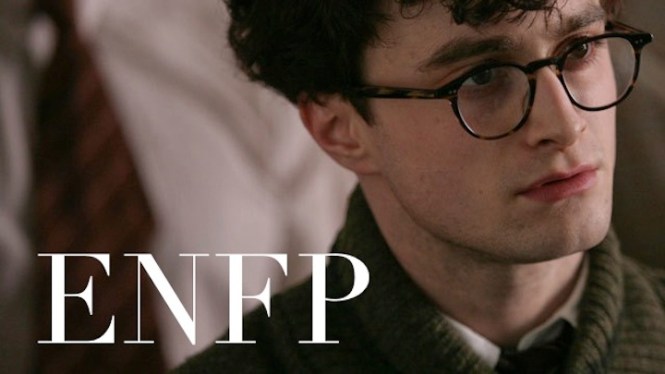
Extraverted Intuition (Ne): Ginsberg was all about taking ordinary situations and making them new. Because he was full of ideas, he wrote prolifically, cranking out a large quantity of very long poems in short amounts of time. Even up to the last decade of his life, Ginsberg was putting out quick, vast amounts of poetry. Ginsberg was an open-minded, energetic individual who embraced tolerance and genuinely inspired others to do likewise, not only through his poetry, but through his energetic involvement in counter-cultures. In fact, Ginsberg is attributed to have coined the infamous “flower power” phrase of the 1960s Vietnam era as he encouraged war protestors to engage in peaceful rejection of violence. Continue reading
Guest post by whatisfreethen, INTP

Ti: Shikamaru was a logical thinker who’s most popular characteristic was his ability to stay cool headed in crisis situations and conceive a winning strategy. Shikamaru’s fighting style indicated a dominant Ti, in which he first engaged an opponent, then tried to bring them at an impasse, to analyst their moves and devise a plan of action. He was also often shown to have an affinity to intellectual puzzles and strategic games, like shogi. He disliked physical work and would rather lie down and think. Continue reading
Guest Post by Andrew, ENTJ

Extroverted Sensing (Se): Ron likes to have fun, and lives for the thrills of the moment. He often neglects to study for important exams, as he cannot handle the tedium of prolonged studying. He has the most prominent sense of humor in his inner circle of friends, and is much more likely to crack a joke than Harry or Hermione is. Ron likes physical activity, and has a natural ability for Quidditch. Ron usually doesn’t think before acting, and at times, this has landed him in trouble (blasting himself with his own malfunctioning wand, flying his parents’ car to Hogwarts), but it also allows him to escape from sticky situations (talking his way out of an encounter with a group of “snatchers”). Ron becomes impatient when Harry admits that he has no plan to find all of Vordemort’s horcruxes, and he makes an impulsive decision to bail out of hunt for them. Continue reading
Guest Post by E.J., INTJ

Dominant Se: Ana loves to be active. As a small child, her way of bonding with her sister was shared activity time. When Elsa is no longer allowed to engage in physical play with Ana, their relationship suffers. Ana misses her sister on an emotional level, but she expresses her feelings by complaining about how bored she is and wishing that they could do something together (“Do you wanna build a snowman?/ Or ride our bikes around the halls…”). Ana looks forward to her sister’s coronation because of the party involved. Excitement makes her move physically–she runs and dances around throughout the movie. Ana’s Se gives her boldness in some situations that would terrify others: she has enough confidence in her physical abilities that she is willing to climb into the mountains alone. Throughout the movie, Ana helps to connect her sister to the real, physical world–running interference for Elsa early on as Elsa grieves, and, eventually, encouraging Elsa to use her gift to delight their people. Continue reading
Guest Post by E.J., INTJ

Dominant Te: Edmund takes a logical approach to life, and he hates it when others try to control him. At the beginning of the series, he uses his combination of NiTe to manipulate other people, including his older siblings. He sometimes misses social cues in his effort to analyze the evidence: for instance, in the Beavers’ house, he asks whether the Witch could turn Aslan to stone, which shocks and offends the others present. In joining the Witch’s side, Continue reading
Become a paid subscriber to get access to the rest of this post and other exclusive content.

Ti: Katsa’s survival skills are enhanced by her studies and knowledgeability. Katsa’s nature is serious, but her worldview and logic aren’t based on the same logic as the rest of the world’s. She doesn’t always catch on to people’s jokes and tends to take things too seriously. She isn’t afraid to voice uncomfortable questions, as she tends to be rather detached. She doesn’t talk about her thoughts where she doesn’t have to and doesn’t really enjoy social settings.
Se: Katsa tests her body to the limits, and even studies it to understand it better. Katsa is built to survive, be it through the awareness of her physical world or through her physical abilities. She’s impulsive and doesn’t always plan out her actions before she carries them out. She likes new physical experiences and lets himself get carried away with Po.
Ni: She knows perfectly well that she’s capable of killing people by reflex, and to avoid this, she tries to predict her opponents moves. She’s reluctant to trust people at first, and tends to be a bit judgmental. She’s good at pinpointing problems with plans and can visualize what she needs to do to get to where she wants to be.
Fe: She tends to jump to assumptions about people based on stereotypes. She doesn’t want to hurt people, and has to come to terms with her abilities. She tends to repress her emotions and doesn’t really understand them. Instead of facing them, she engages in various physical activities to get her mind off of them.
Bryony asked: I am an INTJ with an unhealthy Se function. Out of curiosity, is it possible to change this?
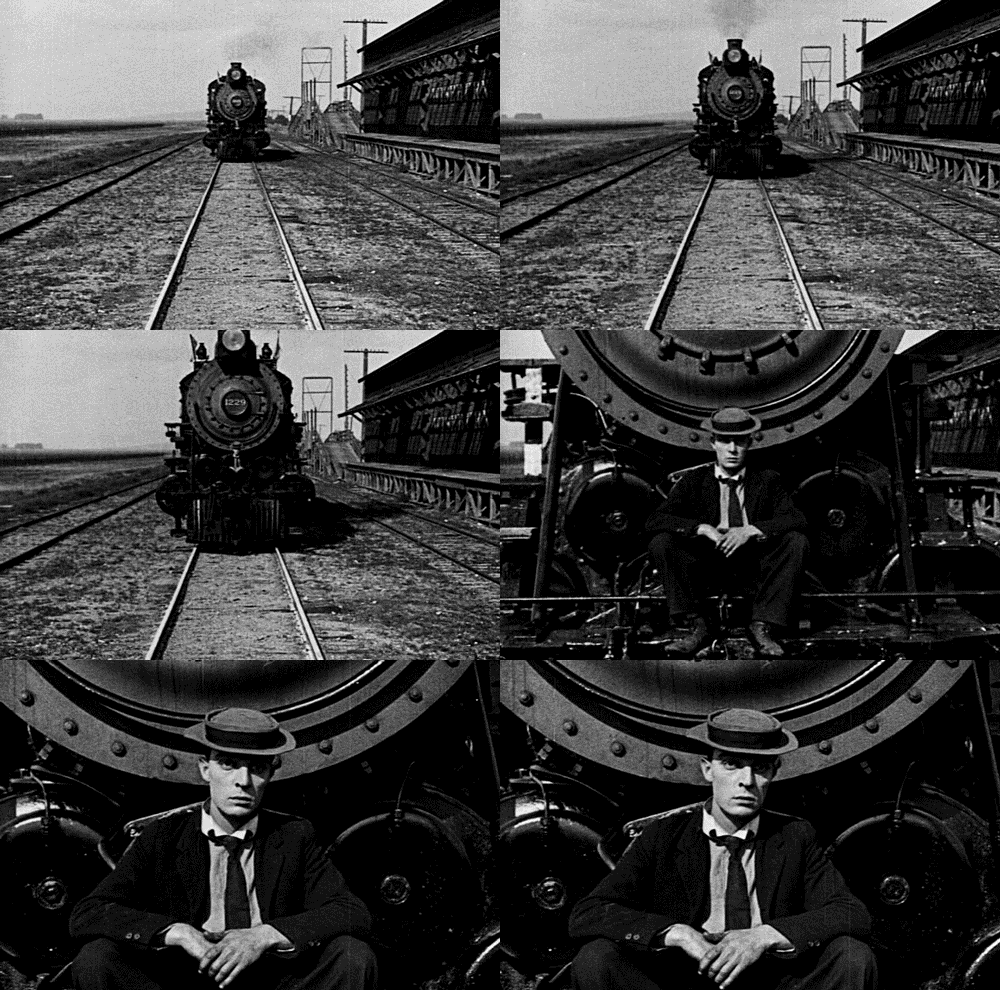
Yes it is.
I had a very unhealthy Se function at one point in my life –so unhealthy in fact, that I wasn’t using it at all (I’ll let your imagination fill in the connotations of that happenstance). Here are some tips for developing an unhealthy Se function. Continue reading
Guest post by E.J., INTJ
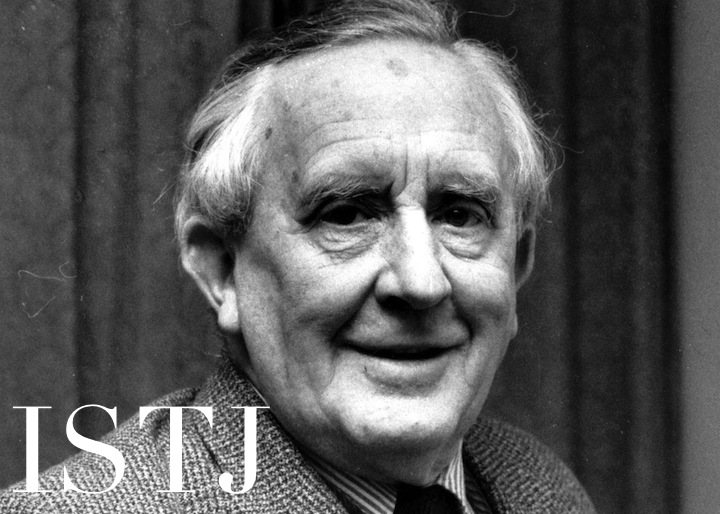
Introverted Sensing (Si): Tolkien’s mother died when he was eight years old, and his memory of her motivated him throughout his adult life. Since her family had abandoned her after her conversion to Catholicism, and her health had subsequently deteriorated, Tolkien considered her a martyr. Her memory was part of the reason why Tolkien became such a staunch Catholic. Continue reading
 The Book Addict's Guide to MBTI: