ISTJ Stereotypes in “The Imitation Game”

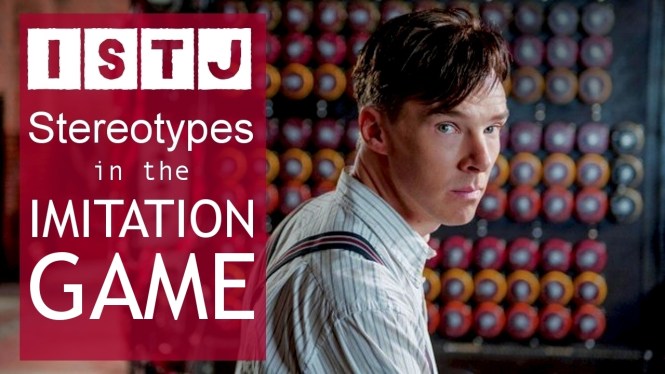
ISTJ Stereotypes in

ISTJs are frequently stereotyped as whining, OCD, rule-obsessed intellectuals with no social skills. Either that, or they’re portrayed as evil, emotionless cyborgs with no sense of humour. As someone with a close ISTJ friend, I understand exactly how terrible those stereotypes can be on a person. Unfortunately, such stereotypes are ever present in the media, and have found their way needlessly into the recent film, The Imitation Game. Continue reading
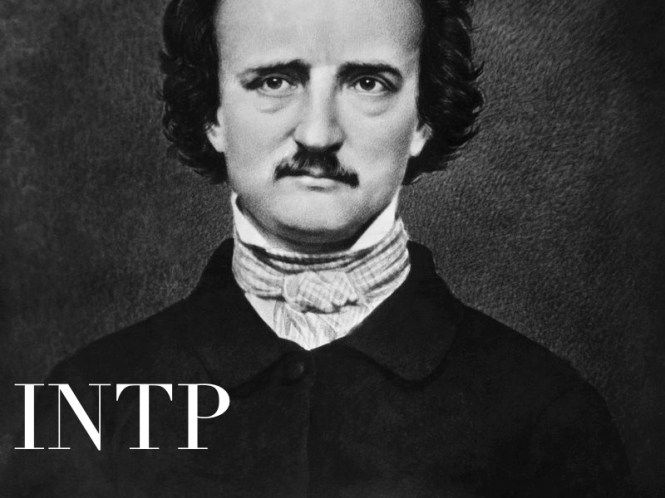
Edgar Allan Poe: INTP

Edgar Allan Poe INTP MBTI

Ti: Edgar Allan Poe was meticulous and methodical in his writing. He had a specific method for everything, and wrote using many a long word (specificity was of utmost importance). Organisation wasn’t his strong suit, but losing jobs was. He was pro at maths while in school (to the point of being known for it), but due to disillusionment and frequency of missed classes, was expelled from West Point. Continue reading

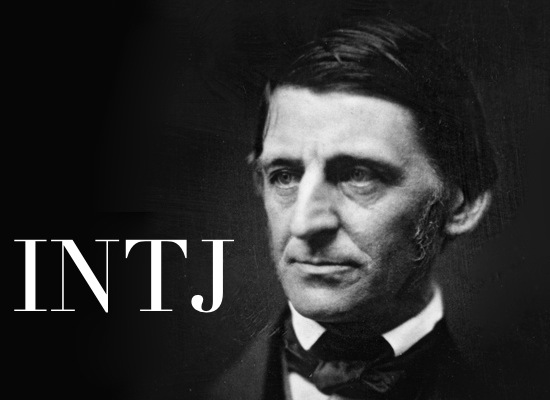
Ralph Waldo Emerson: INTJ

Ralph Waldo Emerson MBTI INTJ

Ni: In multiple of his essays, Emerson focuses specifically on intuition as a source of intelligence, also specifying that for him, it always comes before analysis. Emerson had many very specified focuses, which he was able to obsess over until he had fully fleshed out the ideas to the point where there were few logical fallacies. The structure of his arguments was always such that it’s clear he spent hours Ni-logic-jumping all over the concepts in a chaotic fashion before he organised them into an easy-to-follow Te structure. Continue reading

Dieter Dengler: ENTJ

Rescue Dawn

Dieter Dengler ENTJ | Rescue Dawn MBTI

Te: Dieter cares especially about functionality and specifically asks for his equipment to be customised in order to improve the efficiency. He’s resourceful when it comes to creating tools and originally worked as a toolmaker with the specific intent to learn something “useful.” He refuses the idea of sitting idle in the Laotian camp, and insists on finding an immediate way to take action to escape. He can be quite confrontational, and unusually Continue reading

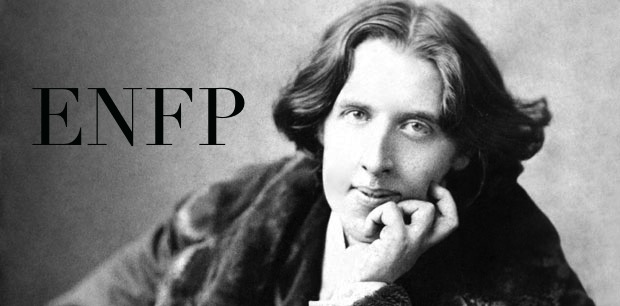
Oscar Wilde: ENFP

Oscar Wilde ENFP

Ne: Oscar Wilde was an idealist and a starry-eyed optimist. He not only idealised the world around him, but people too, viewing them as their best-possible selves until undeniable evidence of their faults starred him in the face. He had perpetual wit, charm and was a master of sarcasm. Wilde loved to tell stories out loud, and did so with a profound characterization that made people excited. He didn’t actually enjoy writing, but wrote down the stories he told in order to make a living. Continue reading

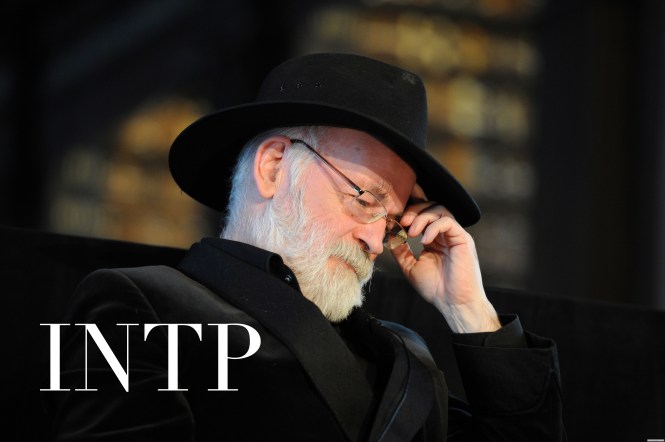
Terry Pratchett: INTP

Terry Pratchett INTP ENTP MBTI

Ti: Logic according to Terry Pratchett may not necessarily be empirical or fitting with the general standards, but it’s darn funny. Any possibility is open when it comes to occurrences in his books. He’s picky about words in a particularly TiNe way. Continue reading

John Nash: INTJ

A Beautiful Mind

John Nash A Beautiful Mind INTJ MBTI

Ni: John Nash was a bit of a workaholic. He was so focused on his vision of what he wanted to accomplish that he had difficulty refraining from that focus to attend lectures, socialise, or date (until compelled). He had an incredibly big picture view of things, to the point that he saw little value in attending classes while in college. He saw fitting into the system as a waste of time, and valued innovation and original thinking instead. Nash’s hallucinations presented themselves in such a way that he believed himself to be a code-breaker, a man paid to Continue reading

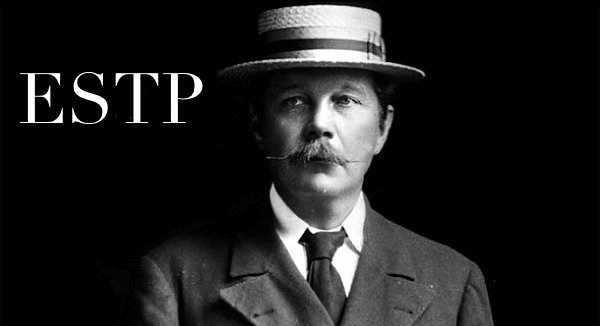
Arthur Conan Doyle: ESTP

Arthur Conan Doyle MBTI

Se: Doyle was very aware of physical and sensory detail, and emphasises it to an extreme extent throughout the Sherlock Holmes stories. His stories were all about experiences, the rush, the effect etc. His stories were all based on bizarre realities found in newspapers and the like and then sensationalised into stories. Sherlock Holmes, the character, Continue reading

Asa Butterfield: INFJ

Ni: Asa mentions that when he reads a script, he reads first for enjoyment and then for ideas and overarching themes and morals. He’s creative and loves music. He writes hip hop and dance music and enjoys DJing. He enjoys playing strategy games, but team strategy games (NiFe). He loves sic-fi, and the impossible, but also the possible (his favourite superhero is Continue reading

Alan Turing: ISTJ

The Imitation Game

Alan Turing MBTI ISTJ The Imitation Game

Si: Allan Turing was a detail oriented person, meticulous in all things and precise to the point of not even noticing larger social rules and customs. Turing had a tough time picking up on social cues and reading behind the lines. However (unlike the Turing represented in The Imitation Game), he had a keen sense of humour, and was an extremely approachable person. His co-workers at Bechley Park were actually quite fond of him, and in most aspects, Turing was polite and well mannered. Continue reading

Percy Toplis: INTJ

The Monocled Mutineer

Monocled Mutineer INTJ Paul McGann

Ni: Percy Toplis is a strategist, who knows how to manipulate people and the system to get what he wants. He doesn’t have a long-term goal, other than self-gain, but whenever he figures out what he wants, he pursues it diligently and meticulously until he squires it. Toplis has a knack for picking up behavioural dynamics and knows how to imitate pretty much anyone for his cons. Toplis has an idiosyncratic sense of humour, which he uses both to amuse himself and to disconcert others. He tends to think most people rather boring, and Continue reading

Steve Jobs: INTJ

Steve Jobs INTJ MBTI

Dominant Ni: Steve Jobs had a hard time staying away from new challenges. As soon as he finished one project, he didn’t simply run away with the money, he started on a new, more complicated project. He believed in doing the impossible. When asked to pose for the cover of time magazine, Jobs swore at the photographer claiming that all he wanted to do was sell magazines. The photographer responded that all Steve Jobs wanted to do was sell computers, and Steve Jobs said “Ok,” and instantly sat down. Continue reading

Martin Luther King Jr.

Martin Luther King ENFJ | MBTI

Dominant Fe: King was incredibly good at appealing to people’s emotions, and that’s what made him such a powerful motivational speaker. His writings are full of emotional appeals, and all of these appeals relate to people on a universal level, rather than simply relating to his own experiences. Luther’s life’s work was a purely ethical endeavour and he was willing to sacrifice everything he had in order to help others. Even when Continue reading