

Subscribe to continue reading
Subscribe to get access to the rest of this post and other subscriber-only content.
Subscribe to get access to the rest of this post and other subscriber-only content.
Subscribe to get access to the rest of this post and other subscriber-only content.

“I saw that you changed Hamlet from an INTP to INTJ. I’m assuming there’s a reason for that?? Also, you said a lot of people type him as an INFP? Could you elaborate on why you’re against that? Could he perhaps be an INFJ?”
Hamlet is the ultimate Elizabethan emo kid. He’s a teenager who suffers from an undiagnosed mental condition that affects his hormonal balance separately from his personality.
Inexperienced typers are often oblivious to the reality that depression is an illness, not a personality trait. As a result, most people assume that Hamlet is an F-type. However, one can be very logical (as Hamlet is) and yet have surging emotions as a result of depression.
My analysis of his Meyers-Briggs type Continue reading
Subscribe to get access to the rest of this post and other subscriber-only content.

Dominant Ne: The Eleventh Doctor is all about discovering new things and isn’t concerned to put his life in danger in order to do so. He doesn’t immediately settle down for certain once he’s reached a conclusion because he has a hard time slowing his brain down to stop considering possibilities. He can pull seemingly unrelated strings of information Continue reading
Factors to keep in mind: PTSD.

Dominant Si: Katniss relates everything to past experiences. Katniss remembers various details that her father told her many years before, and uses those things to help her survive. She has an extremely difficult time overcoming the hardships of her childhood and the games. She frequently lapses into flashbacks of her father’s death and constantly relives the terror of the games. She relies on skills that she is already familiar with in the arena, rather than focusing on trying to learn something new. Obviously he won, so his strategy Continue reading
Subscribe to get access to the rest of this post and other subscriber-only content.

Dominant Ni: Sherlock is wired for problem solving, He frequently makes logic jumps to pinpoint future occurrence and then works his way backwards to develop a strategy to prevent the outcome. His talent for reading people is almost supernatural, and because of his quickness to anticipate other people’s actions, he is able to adjust his plans accordingly. Though he loves problem solving, he isn’t overly fond of surprises because he’s used to being able to accurately predict everything. For instance, when Magnussen turns Continue reading
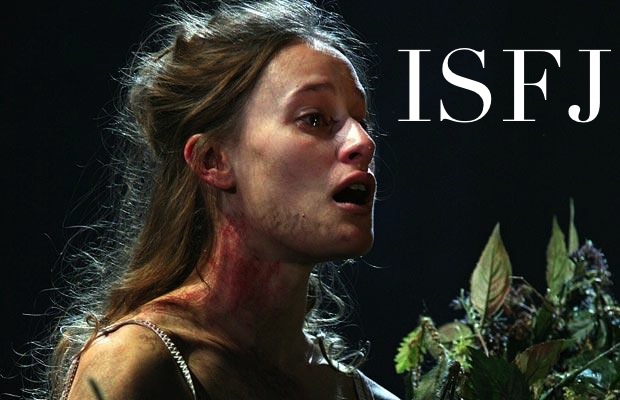
Dominant Si: Ophelia knows how life was in the past, and likes it to stay that way. Unlike Hamlet, who “goes mad” mainly because he can’t handle the fact that others are apathetic about his father’s death, Ophelia goes mad purely because she cannot handle the abrupt changes in her life. Within hours of her father’s death, she has literally fallen to pieces. She knows when people are different than they used to be, and she can easily pin-point exactly what has changed. Rather than accusing Hamlet for mistreating her, she Continue reading
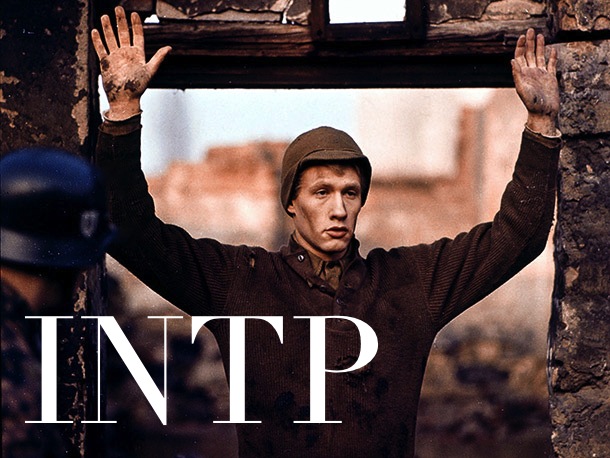
Dominant Ti: Although Billy is not the brightest bub on the street, he’s clearly a thinker who suppresses his emotions. He likes to analyse ideas and many of his beliefs stem from abstract realities in his head, rather than from physical evidence and facts in his reality. For instance, he firmly believes that he has been abducted by the Tralfamadoreans and refuses to give up this belief just because other people tell him it’s impossible. Despite his otherwise ignorant mindset, Billy has a philosophical mind. Billy’s ideas about death sound wild and absurd to his daughter, Continue reading
Subscribe to get access to the rest of this post and other subscriber-only content.
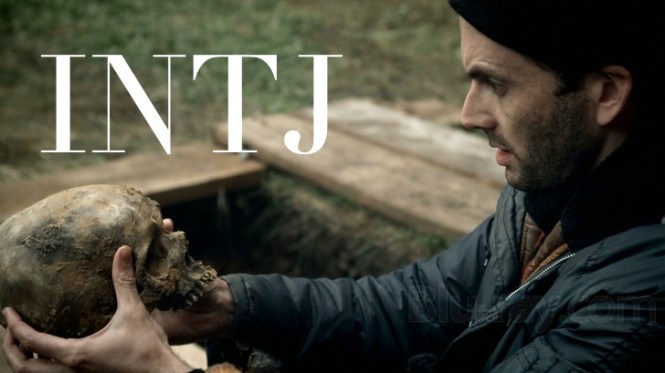
Dominant Ni: Hamlet places high value on the big picture. When he sees Claudius praying, his first thought is to kill him, but he quickly decides not to because he believes that killing a praying man will erase the sins that Claudius has committed against him. Instead, he opts to wait until Claudius is once again deep in his sins before killing him because he believes this will ensure Claudius’s damnation. Likewise, Hamlet decides not to kill himself because he doesn’t yet have all of the variables laid out plainly (he doesn’t know what will happen to him after death), so he can’t settle on a decision. Hamlet doesn’t easily settle on one plan, but comes up with never-ending possibilities for what he might do. In general, he is quite indecisive, as he changes his mind frequently and often never settling on definitive answers to his questions. He is quick to recognize Continue reading
 The Book Addict's Guide to MBTI: