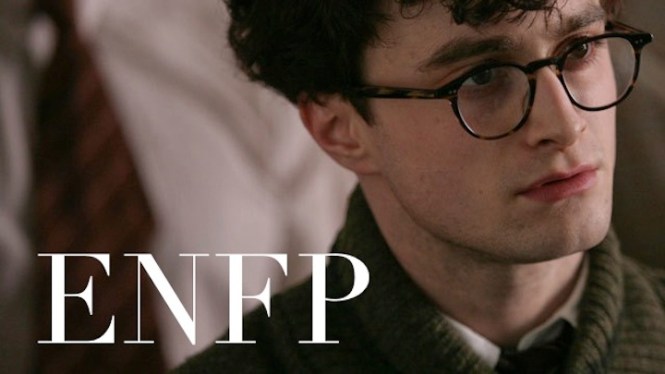
Allan Ginsberg: ENFP

Kill Your Darlings

Allan Ginsberg ENFP | Kill Your Darlings #MBTI #ENFP

Extraverted Intuition (Ne): Ginsberg was all about taking ordinary situations and making them new. Because he was full of ideas, he wrote prolifically, cranking out a large quantity of very long poems in short amounts of time. Even up to the last decade of his life, Ginsberg was putting out quick, vast amounts of poetry. Ginsberg was an open-minded, energetic individual who embraced tolerance and genuinely inspired others to do likewise, not only through his poetry, but through his energetic involvement in counter-cultures. In fact, Ginsberg is attributed to have coined the infamous “flower power” phrase of the 1960s Vietnam era as he encouraged war protestors to engage in peaceful rejection of violence.  Continue reading

Why Tolkien was an ISTJ

Subscribe to continue reading

Become a paid subscriber to get access to the rest of this post and other exclusive content.

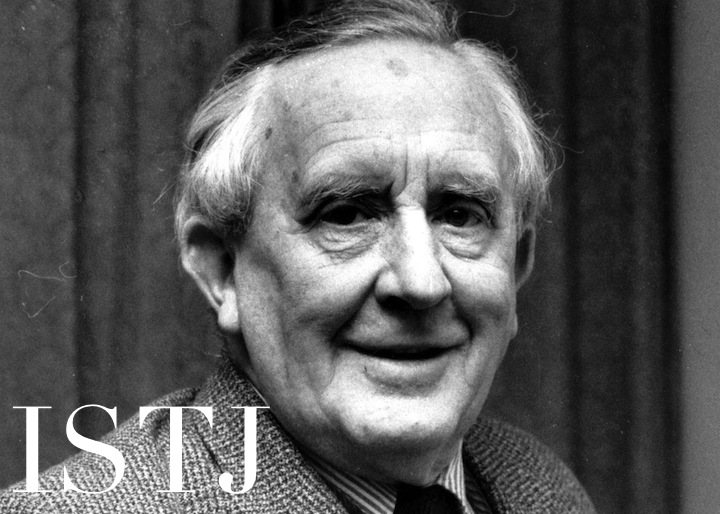
J.R.R Tolkien: ISTJ

Guest post by E.J., INTJ

J.R.R. Tolkien ISTJ | The Book Addict's Guide to MBTI #ISTJ

Introverted Sensing (Si): Tolkien’s mother died when he was eight years old, and his memory of her motivated him throughout his adult life. Since her family had abandoned her after her conversion to Catholicism, and her health had subsequently deteriorated, Tolkien considered her a martyr. Her memory was part of the reason why Tolkien became such a staunch Catholic. Continue reading

C.S. Lewis: INTJ

Guest post by E. J., INTJ

C.S. Lewis INTJ | The Book Addict's Guide to MBTI

Dominant Ni: C. S. Lewis had a relatively narrow set of interests, primarily focusing on academic topics and especially medieval and Renaissance literature. A high school tutor told Lewis’s father that Lewis could become a scholar, but little else. Symbolism was important to Lewis: his favorite genres of literature (epic poetry, fantasy, and science fiction) were filled with it. He infused a great deal of very blunt symbolism (NiTe) into his own fictional works, especially the Chronicles of Narnia. Many of his other works are philosophical in nature, and C.S. Lewis was fond of discussing ideas with the Mastermind group that he engineered as a college student (the organisation part of this would be Te). Continue reading

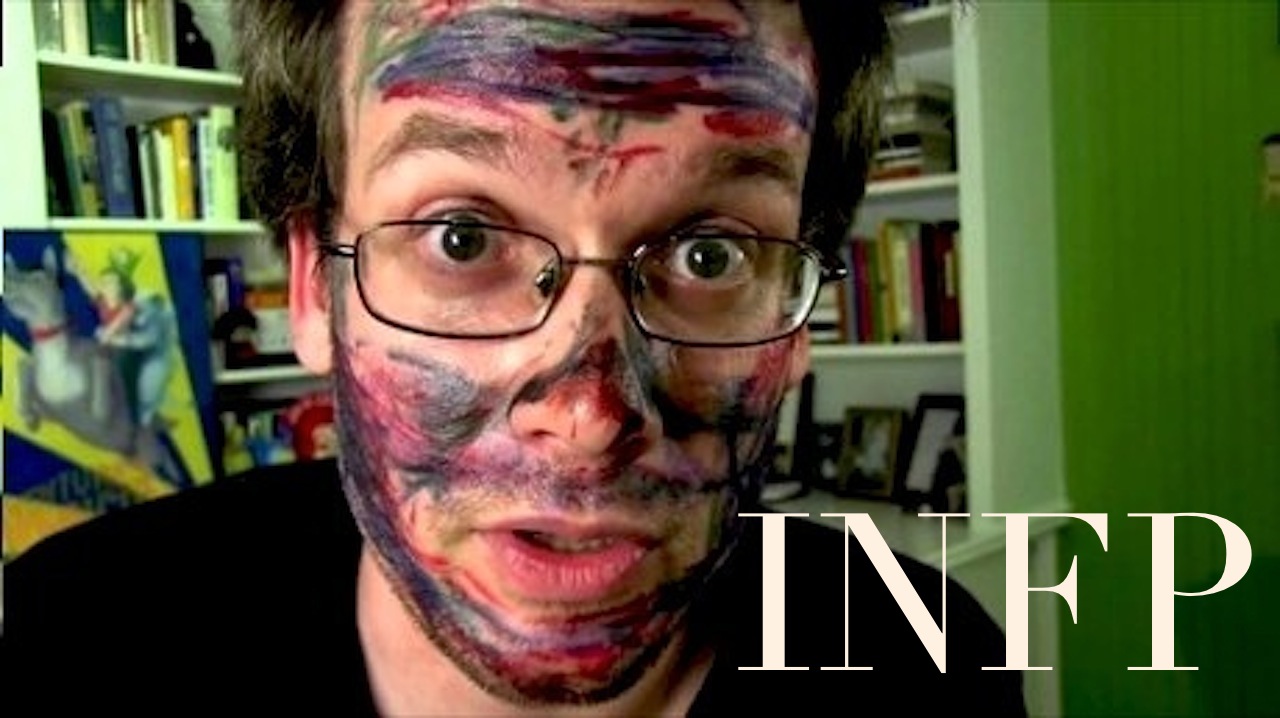
John Green: INFP

John Green INFP

Introverted Feeling (Fi): John Green usually doesn’t make his feelings public (though his ideas are very public). He’s good at writing deep, highly emotional characters who ask harsh questions about morality and the nature of human existence. His writing is always highly emotion driven and leaves most F-type readers sobbing when they The Fault in Our Stars, or Looking for Alaska. John Green has a strong desire to help other people and certainly does so through his writing and vlogging. Continue reading

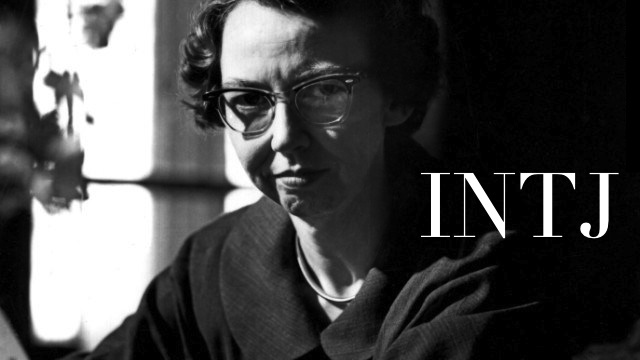
Flannery O’Connor: INTJ

Flannery O'Connor MBTI | INTJ

Ni: Flannery O’Connor was incredibly focused. All of her stories basically have the same message and focus on the exact same topic: redemption. But her interest in religion was not simply a focus –it was an obsession. Her stories accentuate a deep understanding of human nature. Continue reading

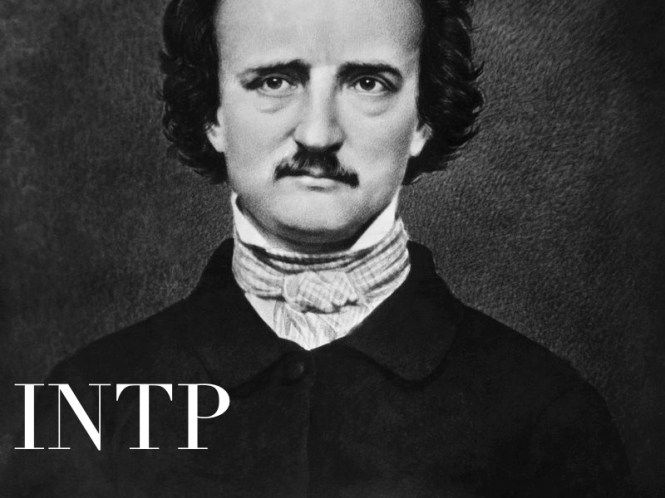
Edgar Allan Poe: INTP

Edgar Allan Poe INTP MBTI

Ti: Edgar Allan Poe was meticulous and methodical in his writing. He had a specific method for everything, and wrote using many a long word (specificity was of utmost importance). Organisation wasn’t his strong suit, but losing jobs was. He was pro at maths while in school (to the point of being known for it), but due to disillusionment and frequency of missed classes, was expelled from West Point. Continue reading

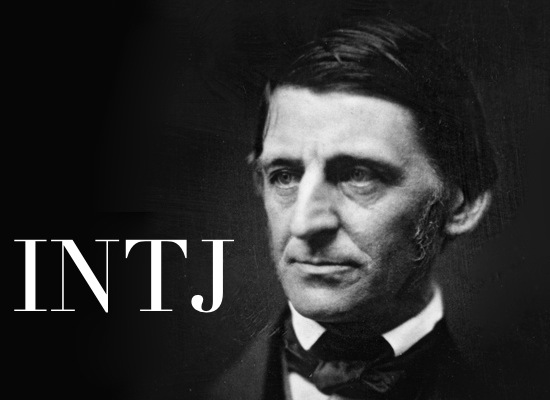
Ralph Waldo Emerson: INTJ

Ralph Waldo Emerson MBTI INTJ

Ni: In multiple of his essays, Emerson focuses specifically on intuition as a source of intelligence, also specifying that for him, it always comes before analysis. Emerson had many very specified focuses, which he was able to obsess over until he had fully fleshed out the ideas to the point where there were few logical fallacies. The structure of his arguments was always such that it’s clear he spent hours Ni-logic-jumping all over the concepts in a chaotic fashion before he organised them into an easy-to-follow Te structure. Continue reading

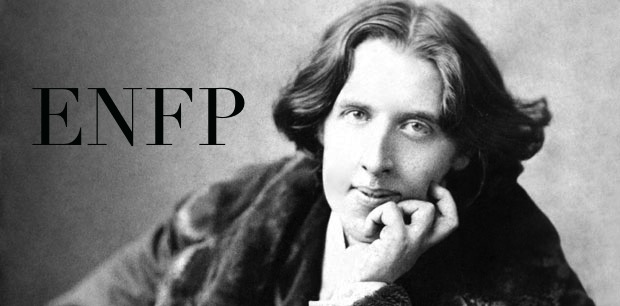
Oscar Wilde: ENFP

Oscar Wilde ENFP

Ne: Oscar Wilde was an idealist and a starry-eyed optimist. He not only idealised the world around him, but people too, viewing them as their best-possible selves until undeniable evidence of their faults starred him in the face. He had perpetual wit, charm and was a master of sarcasm. Wilde loved to tell stories out loud, and did so with a profound characterization that made people excited. He didn’t actually enjoy writing, but wrote down the stories he told in order to make a living. Continue reading

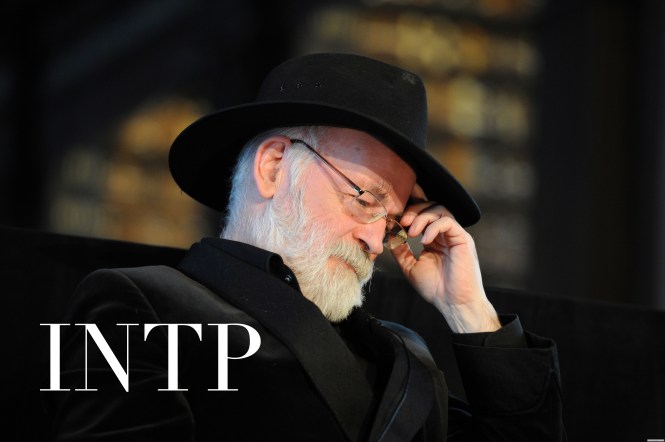
Terry Pratchett: INTP

Terry Pratchett INTP ENTP MBTI

Ti: Logic according to Terry Pratchett may not necessarily be empirical or fitting with the general standards, but it’s darn funny. Any possibility is open when it comes to occurrences in his books. He’s picky about words in a particularly TiNe way. Continue reading

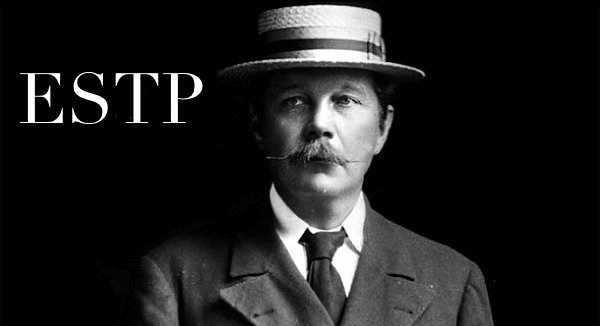
Arthur Conan Doyle: ESTP

Arthur Conan Doyle MBTI

Se: Doyle was very aware of physical and sensory detail, and emphasises it to an extreme extent throughout the Sherlock Holmes stories. His stories were all about experiences, the rush, the effect etc. His stories were all based on bizarre realities found in newspapers and the like and then sensationalised into stories. Sherlock Holmes, the character, Continue reading