
Guest Post by Andrew, ENTJ
Harry Potter, J.K. Rowling
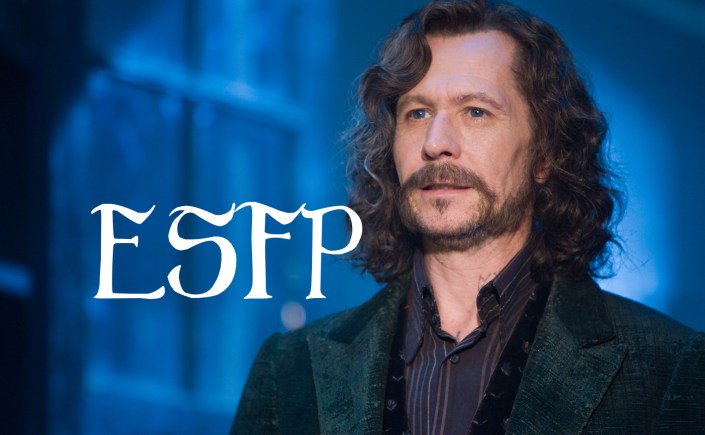
Dominant Extraverted Sensing (Se): Sirius always craves excitement. He got into a great deal of trouble in school because he took lots of risks for the sake of having fun, and often got himself caught. Sirius almost never thinks before acting, and his reactions to bad situations give even Harry (who has an impulsive streak himself) pause about telling him too much. Sirius is a visual person who decorated his bedroom with pinup pictures as a teenager and who treats Harry like his deceased father (Sirius’ best friend) based primarily on his appearance. After Voldemort’s return, Sirius is stuck inside his mother’s house, which irks him like nothing else. His eagerness to be out there doing something, especially when Harry and his friends are in danger, leads to him being killed in action, and according to Albus Dumbledore, that is his ideal way to die.
Stephen Black: ISFJ
Guest Post by Kerissa, INFJ
Jonathan Strange & Mr. Norrell, Suzanna Clarke
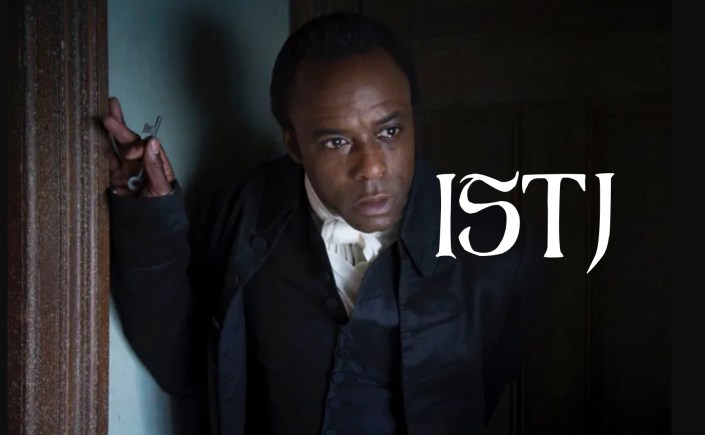
Dominant Introverted Sensing (Si): Before a fairy decided to ruin his life appreciate him, Stephen was excellent at managing the details of the household. He is the first to notice a lazy servant or a miscarried command. When met with an unfamiliar situation (there’s a new room and a man in the house!) he acts as he always does (I guess I should shave him). Even after two years of being under the Gentleman’s enchantment, he is extremely uncomfortable with people acting ‘against their nature’ (the overseer, the dog, and the mayor and aldermen).
Subscribe to get access
Read more of this content when you subscribe today.
Kate Sutton: INTJ
Guest Post by E.J., INTJ
The Perilous Gard, Elizabeth Marie Pope
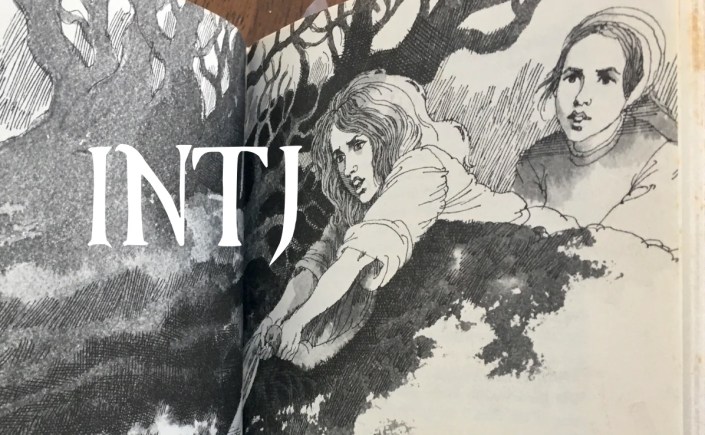
Dominant Introverted Intuition (Ni): As a young woman in Tudor England, Kate’s ability to shape her future is somewhat limited. Her role as a royal maid of honour means that she has to follow orders, regardless of her personal opinions. Kate does, however, have a strong future orientation. To prevent Christopher Herron from becoming unhealthily detached from reality during their imprisonment by the Fairy Folk, Kate forces him to plan ways to rebuild the deteriorating manor he has been longing to buy. She also refuses the Lady’s initial reward offer because she recognizes that its ultimate effects would be damaging. Kate is unusually good at putting together big-picture ideas. While Cecily’s relatives have accepted Cecily’s supposed death, only Kate—a newcomer to the area—is able to piece together what actually happened.
Continue readingMatilda: INTJ

Guest Post by E.J., INTJ
Matilda, Roald Dahl
Dominant Introverted Intuition (Ni): Most young children with parents like Matilda’s would accept their behavior as normal, as Matilda’s older brother does. Matilda, however, figures out that her father is being dishonest and correctly guesses that his behavior may get him in trouble. She also sees that her mother’s belief that women should be primarily interested in their looks has gotten her mother nowhere, and Matilda–not yet six years old–knows that she wants her life to be different. Matilda correctly intuits Miss Trunchbull’s past misdeeds and develops an out-of-the-box plan to deal with her. Matilda has an incredible ability to concentrate, which she applies both to her academic interests and in strategies she develops for daily life. Although Matilda is deeply unconventional, she understands the long-term value of blending into society. As a result, most adults overlook her more nefarious plots.
Continue readingGilderoy Lockhart: ENFP
Guest Post by Andrew, ENTJ
Harry Potter, J. K. Rowling
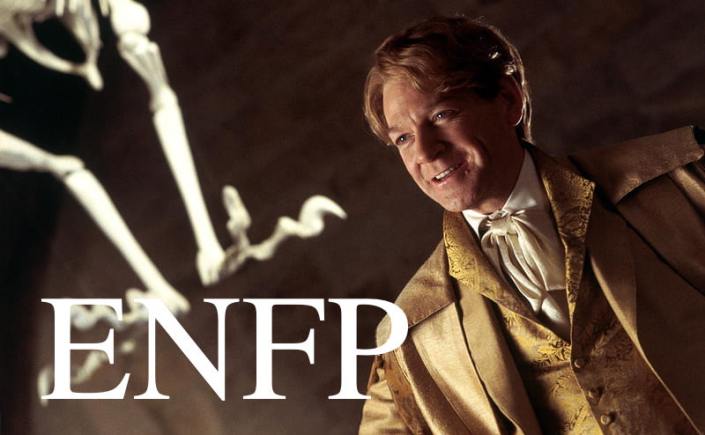
Dominant Extroverted Thinking (Ne): Lockhart presents himself as an expert on everything, whether duelling, defeating dark creatures, getting rid of household pests, or the game of Quidditch. He is a prolific author, and always seems to have a new book out, usually about one of his supposed exploits. He relates his stories in fanciful ways, with digressions concerning his personal preferences (favorite color, etc.). Lockhart lives his life in a spontaneous fashion, doing things that many people don’t expect (like taking a teaching job at Hogwarts). He originally has an idealized view of what the experience of teaching is like, and he quickly revises his teaching style after publicly making a fool of himself. All of the things Lockhart says are about trying to maintain and enhance his reputation rather than necessarily doing anything useful, making him appear (with much justification) out of touch with reality.
Continue readingPrince Caspian: INFJ
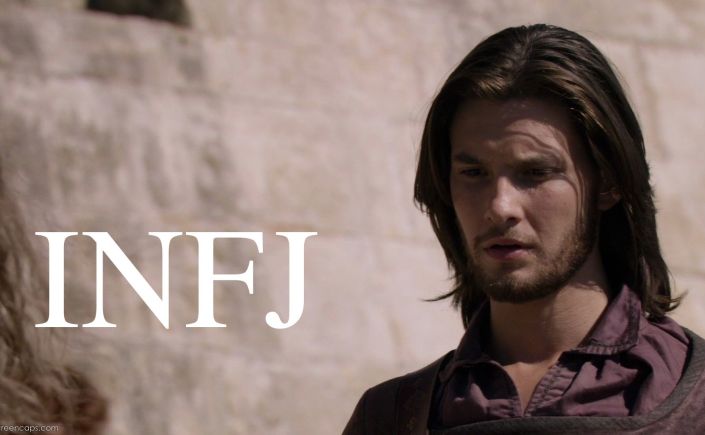
Guest Post by E.J., INTJ
The Chronicles of Narnia, C.S. Lewis
Dominant Introverted Intuition (Ni): Caspian is a dreamer. As a little boy, his nurse’s stories of Old Narnia capture his imagination, and Caspian’s view of the world is shaped by the stories. Rather than basing his value system on what he sees his uncle Miraz doing, Caspian’s ideals are formed by the heroic legends his nurse repeats to him. Caspian has no strong reason to believe that the old days could return until after he wakes up in the dugout of Trufflehunter, Trumpkin, and Nikabrik. Regardless, he prefers the Narnian moral code, even if he never meets a full-blooded Old Narnian. From a relatively young age, Caspian is driven to accomplish things that other people consider impossible. He successfully defeats Miraz and reawakens Old Narnia—despite the initial superiority of the Telmarine forces—and, as king, he goes on a difficult voyage to find seven Telmarine lords who disappeared when he was a small child. Near the world’s end, Caspian’s imagination almost gets the better of him. He is so fascinated by the thought of traveling to Aslan’s country that he wants to abandon his kingship and continue eastward. Aslan must directly intervene to prevent Caspian from abandoning his responsibilities to follow his imagination.
Continue readingMolly Weasley: ESFJ

Guest Post by Andrew, ENTJ
Harry Potter, J.K. Rowling
Dominant Extroverted Feeling (Fe): Molly is all about family, and she always tries her best to keep hers together. She arranges vacations to visit her sons who live abroad, and she takes it very hard when Percy cuts ties with everyone else. Her worst fear is losing loved ones, rather than suffering some misfortune herself. When she sees Harry by himself, Molly is immediately sensitive to what she thinks he must need (she forbids her children from staring at him like some mythical creature), and she all but adopts him into her family. Molly puts a lot of stock in social standing; she is glad when her husband gets a promotion to a big job that takes him away from his own passion, and she wants her children to have successful careers as well. Molly is openly emotional, and she will always make her feelings abundantly clear.
Continue readingJohanna Mason: ENTJ

Guest Post by Kerissa, INFJ
The Hunger Games
Dominant Extroverted Thinking (Te): At the interviews for the 75th Hunger Games, Johanna is the first to directly question if the games could be changed. She’s very blunt. For example: when Katniss is explaining canaries in coal mines, Johanna asks, “What’s it do, die?” She also says, “I’m not like the rest of you. There’s no one left I love.” In District 13, she’s the one who makes Katniss stick with training through a mixture of ‘motivational insults’ and pushiness.
Continue readingBaron Vladimir Harkonnen: ENTJ
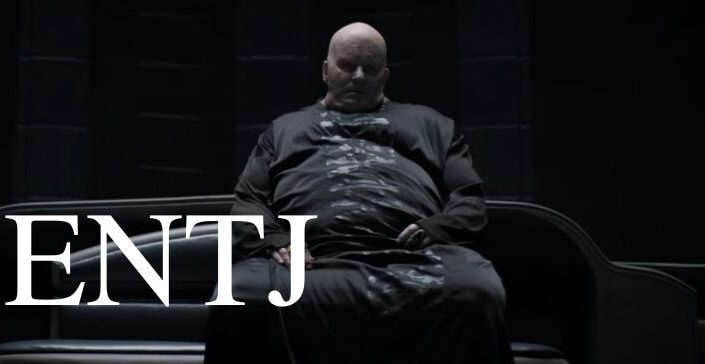
Guest Post by Andrew, ENTJ
Dune, Frank Herbert
Dominant Extroverted Thinking (Te): Baron Harkonnen wants nothing less than the imperial throne, and he goes after it in a systematic fashion. His allies and even his family members (except maybe Feyd-Rautha) are mere pawns in his game, and his enemies are nothing more than obstacles to be overcome – or to be destroyed utterly. He has a brutal, ruthless way of dealing with everyone, and he gives direct orders to his subordinates. The baron is extremely resourceful, and he will add anyone whom he believes will be of use to his retinue; he even takes Thufir Hawat, the chief strategist of his slain arch-enemy, Leto Atredies, to be his adviser after the death of his own strategist.
Continue readingOdysseus: ENTP
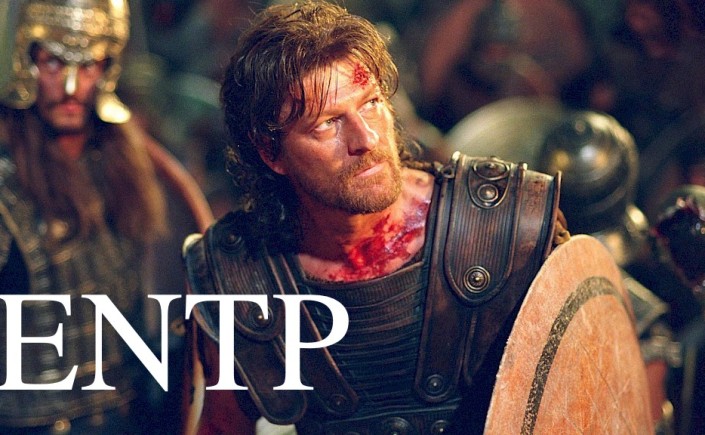
Guest Post by E.J., INTJ
The Iliad & The Odyssey
Dominant Intuition (Ne): Odysseus is a man of new ideas, and this accounts for his resilience during the Trojan War. When everyone else, even Agamemnon, is exhausted, Odysseus continues to see positive possibilities in their situation. He is the most insistent supporter of the war––not because of an Ni-style drive, but through his Ne focus on new potential. Odysseus’ Ne gives him the enthusiasm to put new energy in his war-weary fellow Greeks. After the war is over, Odysseus sails around, following a string of new ideas, rather than heading straight home like most of the other Greeks.
Continue readingThe Rules of Character Death

Subscribe to continue reading
Become a paid subscriber to get access to the rest of this post and other exclusive content.
Character-Driven vs Plot-Driven Stories – An INTJ’s Take
INeverForgetPromises asked: if you were reading a literary work, what would hook you more, a plot-driven story or a character-driven story? Do you prefer complex plots with subplots in them or a simple plot with something deep underneath (take hills like white elephants for example)?
Im sorry if I’m asking too many questions, its just that I want to pick at your brain a little bit. Plus, you kinda remind me of my INTJ best friend :)

I personally prefer character-driven stories. However, any well-done character-driven story is subsequently going to have an excellent plot. It may not follow a typical arc, but as long as the characters behave realistically, the plot is also going to move forward in a realistic way.
If you look at any piece of Shakespeare’s work, you’ll realise that every last bit of it is character driven. His plots are fantastic, but they are always driven by the motivations of his characters.
The Ender’s Game Series is another good example of a character-driven storyline in which there is no absence of complex plots and subplots. I could think of a million other examples, but I’ll leave it at that.
Any story that has an interesting and well-developed character who is facing a very real conflict will necessarily end up also having an amazing plot.
Now, I enjoy a story with an intricate plot, but if the characters are boring the story becomes empty. I get bored reading Dan Brown because his writing features incredibly complicated plots with hardly any character development.
Allan Ginsberg: ENFP
Kill Your Darlings

Extraverted Intuition (Ne): Ginsberg was all about taking ordinary situations and making them new. Because he was full of ideas, he wrote prolifically, cranking out a large quantity of very long poems in short amounts of time. Even up to the last decade of his life, Ginsberg was putting out quick, vast amounts of poetry. Ginsberg was an open-minded, energetic individual who embraced tolerance and genuinely inspired others to do likewise, not only through his poetry, but through his energetic involvement in counter-cultures. In fact, Ginsberg is attributed to have coined the infamous “flower power” phrase of the 1960s Vietnam era as he encouraged war protestors to engage in peaceful rejection of violence. Continue reading
Edmund Pevensie: ENTJ
Guest Post by E.J., INTJ
The Chronicles of Narnia, C.S. Lewis

Dominant Te: Edmund takes a logical approach to life, and he hates it when others try to control him. At the beginning of the series, he uses his combination of NiTe to manipulate other people, including his older siblings. He sometimes misses social cues in his effort to analyze the evidence: for instance, in the Beavers’ house, he asks whether the Witch could turn Aslan to stone, which shocks and offends the others present. In joining the Witch’s side, Continue reading
Why Tolkien was an ISTJ
Subscribe to continue reading
Become a paid subscriber to get access to the rest of this post and other exclusive content.
 The Book Addict's Guide to MBTI: