George – Of Mice and Men: ISTP

Of Mice and Men, John Steinbeck

George - Of Mice and Men ISTP MBTI

Dominant Ti: George has is relatively reserved, but has a sharp tongue when he is impatient. His words don’t necessarily wring with love towards Lennie, although they are intended to protect him. He doesn’t particularly enjoy involving his emotions in his decision making process and doesn’t enjoy lengthy explanations. He can take apart the things that people say and determine whether to believe it based on whether or not it seems logical to him. Even though George’s dreams of settling down seem impossible, he never gives Continue reading

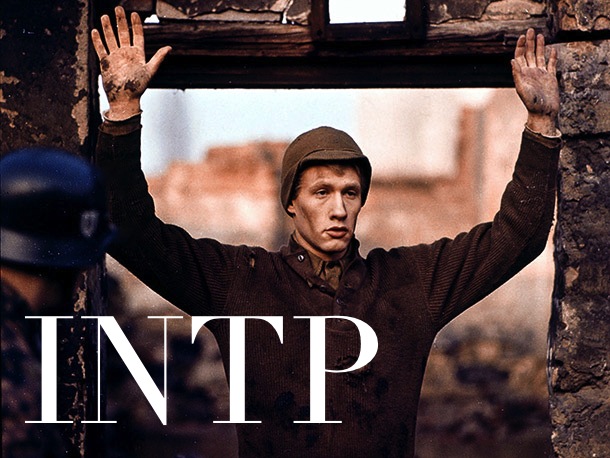
Billy Pilgrim: INTP

Slaughterhouse-Five, Kurt Vonnegut

Slaughterhouse-Five Billy Pilgrim INTP | Literary MBTI

Dominant Ti: Although Billy is not the brightest bub on the street, he’s clearly a thinker who suppresses his emotions. He likes to analyse ideas and many of his beliefs stem from abstract realities in his head, rather than from physical evidence and facts in his reality. For instance, he firmly believes that he has been abducted by the Tralfamadoreans and refuses to give up this belief just because other people tell him it’s impossible. Despite his otherwise ignorant mindset, Billy has a philosophical mind. Billy’s ideas about death sound wild and absurd to his daughter, Continue reading

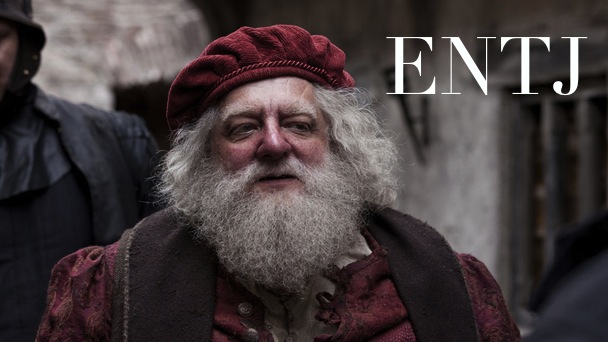
John Falstaff: ENTJ

Henry IV / Henry V, William Shakespeare

John Falstaff ENTJ | The Hollow Crown MBTI

Dominant Te: John Falstaff is a doer. He devises strategies to get what he wants and then actively seeks to make those plans a reality. He befriends Prince Hal in hopes of gaining prestige and status (that’s my take on him, although some would argue otherwise) and does everything he can to impress him, pretending to fight off a horde of enemies, and even going so far as to claim that he killed Hotspur. When his plans don’t work out, he takes a fatal blow –for instance, when Harry is crowned King and Continue reading

Deryn Sharp: ESTP

Leviathan, Scott Westerfeld

Dominant Se: If there’s anything that Deryn loves, it’s a thrill. She joins the navy with the intent to fly, not to fight in a war. She is agile and excited about jumping into action and gets bored when she’s not doing something active. She typically has confidence in her ability to not only learn new skills, but to be the best at them in no time at all (and she usually achieves this). She lives in the moment, making split-second, action-based decisions, and thinking on her feet to save her own life as well as many others. Her ability to think quickly, coupled with her awareness of her physical environment allows her to creatively use her environment to her advantage in a fight. Fear hardly phases her as she willfully Continue reading

Neil Gaiman: INFP

Neil Gaiman INFP

Dominant Fi: Neil Gaiman is well known for encouraging people to always be true tho themselves, but he rarely mentions being true to others (“Do the things that only you can do,” etc.). Neil Gaiman’s principles and ethical views are internally based, and not based off of anything he has learned from his external world (“I think hell is something you carry with you, not somewhere you go.”). In his 2012 commencement speech, he admitted that as a new writer, he lied about Continue reading

Nick Carraway: ISFP

The Great Gatsby, F. Scott Fitzgerald

Nick Carraway ISFP | The Great Gatsby MBTI

Introverted Feeling (Fi): Nick’s consciousness about his values flow into every part of his life. He left is home to come to New York because of value clashes with his father. Nick is the only person who is not morally “burned” by the end of the novel, and the reason for this is that he considers his ethical standing in everything that he does. His morals stem from within, not from his external environment. When he decides whether or not to help Gatsby connect with Daisy, he asks himself whether it is right, rather than asking someone else Continue reading

Aleksandar of Hohenburg: ISTJ

Leviathan, F. Scott Westerfeld

Introverted Sensing (Si): Alek lives in the past and future simultaneously. He is always comparing his present situations to past experiences and as a result, he has no problem learning from his mistakes. He finds it difficult to move past traumatic events in his past (his parent’s murder), but is also constantly thinking of the goals he has for the future. He has a very specific vision of what he wants to do with his life, and he views this as a “destiny” that he is obligated to fulfill. When it comes to accepting fact, Alek needs the details to be explained in depth, for without evidence, he is reluctant to accept anything as truth. He likes life to be predictable and gets discouraged when things don’t go as planned, or when surprises (such as finding out that Deryn is a girl) enter his life. He is very cautious in his approach to life and consequently, is hesitant to try new things. Continue reading

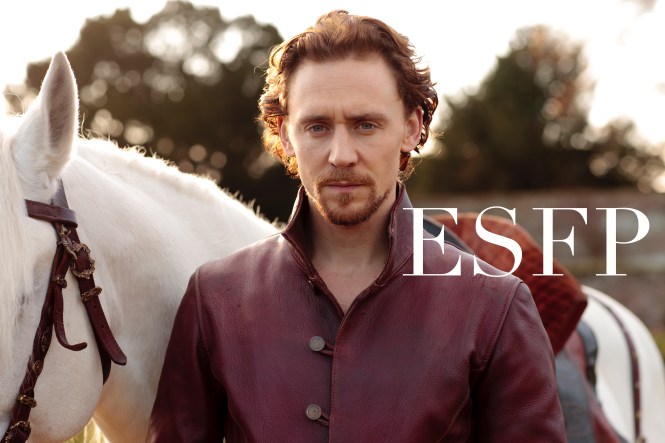
Henry V: ESFP

Henry IV / Henry V, William Shakespeare

Prince Hal ESFP | The Hollow Crown \ Shakespeare MBTI

Extraverted Sensing (Se): As a young man, Prince Hal lives for new experiences. Despite his royalty, he spends his youth drinking, pranking, womanizing and engaging in other instantly gratifying activities. He loves to laugh and poke fun of the foolish, get reactions out of people and lives such a rambunctious life that his father grows sick with worry about him. Hal is a performer and loves to be the center of attention. He mockingly imitates his father in order to entertain his friends and does so with exuberance and quality. Hal Continue reading

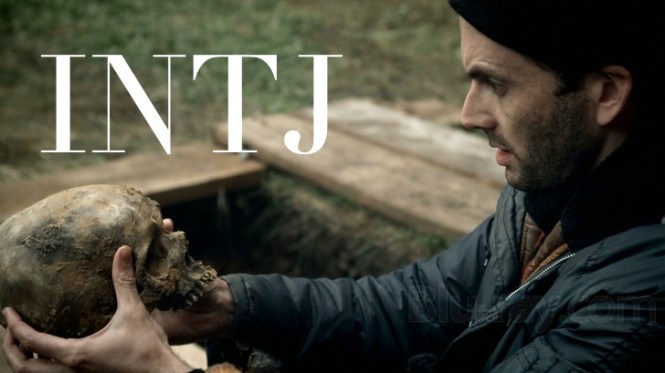
Hamlet: INTJ

Hamlet, William Shakespeare

Hamlet INTJ mBTI

Dominant Ni: Hamlet places high value on the big picture. When he sees Claudius praying, his first thought is to kill him, but he quickly decides not to because he believes that killing a praying man will erase the sins that Claudius has committed against him. Instead, he opts to wait until Claudius is once again deep in his sins before killing him because he believes this will ensure Claudius’s damnation. Likewise, Hamlet decides not to kill himself because he doesn’t yet have all of the variables laid out plainly (he doesn’t know what will happen to him after death), so he can’t settle on a decision. Hamlet doesn’t easily settle on one plan, but comes up with never-ending possibilities for what he might do. In general, he is quite indecisive, as he changes his mind frequently and often never settling on definitive answers to his questions. He is quick to recognize Continue reading

Cauis Marcius Coriolanus: INTJ

 Coriolanus, William Shakespeare

Coriolanus INTJ MBTI Shakespeare

Introverted Intuition (Ni): Caius Marcius has a strong sense of how events will unfold, such that he feels little fear in fraternizing with his enemies (because he is aware that he will die either way). He also has a very specific vision of what he wants to do with his time, in addition to detailed goals for governmental “improvement” (taking away the people’s votes). When these plans are interrupted by the Roman government, he reacts with anger and defiance. (“I had rather be their servant in my way than sway with them in theirs.”). He has a natural talent for Continue reading