

Subscribe to continue reading
Subscribe to get access to the rest of this post and other subscriber-only content.
Subscribe to get access to the rest of this post and other subscriber-only content.

Dominant Si: Ophelia knows how life was in the past, and likes it to stay that way. Unlike Hamlet, who “goes mad” mainly because he can’t handle the fact that others are apathetic about his father’s death, Ophelia goes mad purely because she cannot handle the abrupt changes in her life. Within hours of her father’s death, she has literally fallen to pieces. She knows when people are different than they used to be, and she can easily pin-point exactly what has changed. Rather than accusing Hamlet for mistreating her, she Continue reading
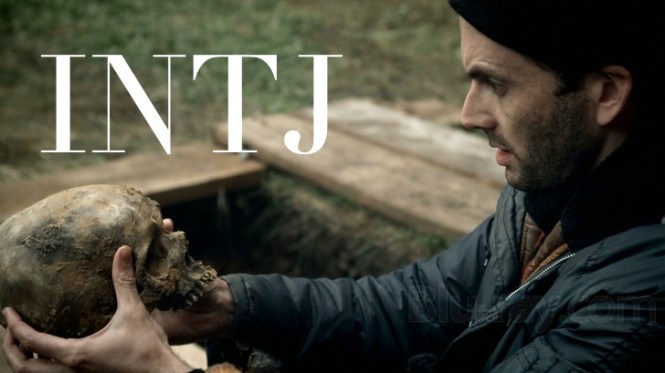
Dominant Ni: Hamlet places high value on the big picture. When he sees Claudius praying, his first thought is to kill him, but he quickly decides not to because he believes that killing a praying man will erase the sins that Claudius has committed against him. Instead, he opts to wait until Claudius is once again deep in his sins before killing him because he believes this will ensure Claudius’s damnation. Likewise, Hamlet decides not to kill himself because he doesn’t yet have all of the variables laid out plainly (he doesn’t know what will happen to him after death), so he can’t settle on a decision. Hamlet doesn’t easily settle on one plan, but comes up with never-ending possibilities for what he might do. In general, he is quite indecisive, as he changes his mind frequently and often never settling on definitive answers to his questions. He is quick to recognize Continue reading
 The Book Addict's Guide to MBTI: